
Learn how to improve digestion with simple food and lifestyle changes, plus a free Digestion 101 printable.

This post contains affiliate links and I may receive a small commission if you visit a link and buy something. Purchasing via an affiliate link doesn't cost you any extra, and I only recommend products and services I trust. I may have been sent products featured here as a gift or paid to include them in coverage. Thank you for supporting this blog.
Jump to:
- Simple Ways to Support Better Digestion
- Why Gut Health Matters
- How the Digestion Process Works
- What Are the Signs of Poor Gut Health?
- Diet for Digestive Health
- Foods Good for Digestion
- Fibre Intake and Digestion
- Hydration and Digestion
- Probiotics and Prebiotics
- Mindful Eating for Better Digestion
- Processed Foods and Sugar
- Common Gut Symptom Triggers
- IBS, Food Intolerances and FODMAPs
- Exercise and Digestion
- Stress Management and the Gut-Brain Axis
- Sleep and Your Digestive System
- Smoking and Alcohol
- Antibiotics and Gut Health
- Do You Need Digestive Enzymes or Gut Supplements?
- Do You Need a Gut Detox?
- How to Improve Digestion With Small Lifestyle Changes
- When to See a Doctor About Digestive Problems
- Frequently Asked Questions
- 💬 Comments
You eat a perfectly normal meal, and an hour later your stomach feels uncomfortably full. Your waistband suddenly feels tighter, you're bloated or windy, or you're wondering why your bowel habits seem to change from one day to the next. If this sounds familiar, learning how to improve digestion can be a good place to start.
The digestive system is complicated, but supporting it doesn't necessarily mean following a restrictive diet, buying expensive supplements or cutting out half the foods you eat. For many people, better digestion starts with fairly ordinary things: eating enough fibre, drinking enough water, slowing down at mealtimes, moving regularly, sleeping well and paying attention to individual symptom triggers.
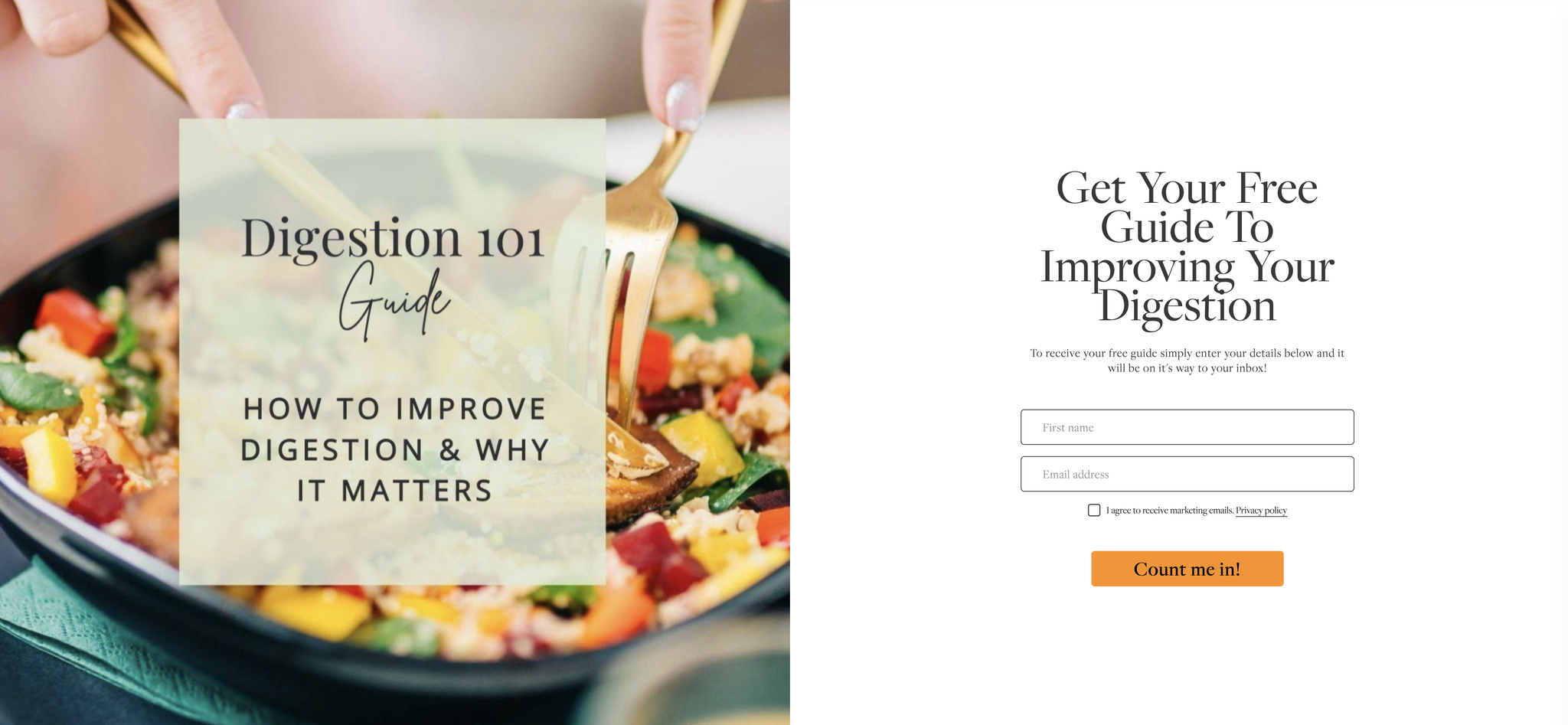
I've also created a free Digestion 101 Guide that brings these habits together into a simple printable resource you can keep and refer back to.
This article is intended as general information rather than medical advice. Persistent or severe digestive symptoms should always be discussed with your GP or another qualified healthcare professional.
Simple Ways to Support Better Digestion
- Build most meals around whole plant foods and gradually work towards around 30g of fibre each day.
- Drink regularly throughout the day, particularly when increasing your fibre intake.
- Eat slowly, chew properly and try not to eat while rushing or distracted.
- Include a variety of fruits and vegetables, whole grains, beans, pulses, nuts and seeds.
- Try fermented foods and prebiotic foods if they suit you.
- Move regularly, manage stress and prioritise quality sleep.
- Keep a food and symptom diary if you regularly experience gas and bloating, reflux or bowel changes.
- Speak to your GP about persistent symptoms, blood in your stool, unexplained weight loss or significant abdominal pain.
Why Gut Health Matters
Your gut does much more than simply process yesterday's dinner.
The digestive tract breaks down food, allows your body to absorb nutrients, removes waste and supports normal immune function. It is also home to a huge community of microorganisms known collectively as the gut microbiome or gut microbiota.
These gut bacteria use some of the components of our food, particularly dietary fibre, and produce substances that interact with cells in the gastrointestinal tract. A varied diet containing plenty of plant foods helps support a diverse community of beneficial gut bacteria.
The gut also communicates constantly with the brain through what is known as the gut-brain axis. This communication involves the nervous system, hormones and immune signalling, which helps explain why stress and mental health can have such a noticeable effect on digestive symptoms.
Good digestive health is also important for nutrient absorption. You can eat a wonderfully balanced diet containing plenty of vitamins and minerals, but those nutrients still need to be broken down and absorbed by your digestive system.
How the Digestion Process Works
Digestion begins before food reaches your stomach.
| Part of the digestive system | What happens |
|---|---|
| Mouth | Chewing physically breaks food into smaller pieces while saliva begins the digestive process. |
| Oesophagus | Swallowed food travels down into the stomach. |
| Stomach | Acid and digestive enzymes help break down food further. |
| Small intestine | Most digestion and nutrient absorption takes place here. |
| Large intestine | Water is absorbed and gut bacteria ferment some of the fibre that hasn't been digested earlier. |
| Rectum | Waste is stored before being passed as a bowel movement. |
This is why digestion isn't only about the stomach. Problems affecting different parts of the digestive tract can produce very similar digestive symptoms.
What Are the Signs of Poor Gut Health?
There isn't one medically defined set of symptoms that proves someone has an "unhealthy gut", and many digestive problems have several possible causes.
However, symptoms worth paying attention to include regular bloating, excessive gas, constipation, diarrhoea, changes in bowel movements, stomach pain, abdominal discomfort, nausea, indigestion and acid reflux.
Tiredness can sometimes appear alongside digestive issues too, particularly where a condition interferes with the body's ability to absorb nutrients, but fatigue on its own does not necessarily mean you have poor gut health.
It is also worth remembering that you don't have to have a bowel movement every single day to have healthy digestion. What matters more is what is normal for you and whether there has been a significant or persistent change.
Conditions including irritable bowel syndrome (IBS), inflammatory bowel disease, food intolerances and coeliac disease can all cause digestive problems, so don't assume recurring symptoms are simply something you have eaten.
Diet for Digestive Health
One of the simplest ways to support digestive wellness is to eat a varied, balanced diet containing plenty of whole foods.
For a plant-based diet, that means building meals around fruits and vegetables, whole grains, beans, lentils, chickpeas, tofu, tempeh, nuts and seeds, alongside sources of healthy fats.
Plant foods provide different types of fibre as well as vitamins, minerals and compounds that support overall health. Foods such as oats, brown rice, wholemeal bread, leafy greens, berries, beans, nuts and seeds are all easy ingredients to include regularly.
You'll sometimes see recommendations to eat 30 different plants each week. It can be a fun way to encourage variety, counting vegetables, fruit, whole grains, pulses, nuts, seeds, herbs and spices, but it doesn't need to become another food rule. Concentrating on variety and getting enough fibre overall is more important.
Foods Good for Digestion
There is no single "best" food for a healthy gut, but these make useful building blocks.
| Food | Why it can be useful |
|---|---|
| Oats | Provide soluble fibre and work well for breakfast or baking. |
| Beans, chickpeas and lentils | Rich in dietary fibre, plant protein and prebiotic carbohydrates. |
| Whole grains | Wholemeal bread, barley and brown rice provide more fibre than refined alternatives. |
| Leafy greens | Provide fibre alongside a range of vitamins and minerals. |
| Berries | An easy source of fibre and plant compounds. |
| Kiwi | Provides fibre and can be a useful fruit to include when constipation is an issue. |
| Nuts and seeds | Provide fibre, plant protein and healthy fats including beneficial fatty acids. |
| Live fermented foods | Foods such as live sauerkraut or kimchi may provide beneficial microorganisms. |
| Tempeh | A fermented, protein-rich plant food that works well in savoury meals. |
| Water | Helps fibre do its job and supports normal bowel function. |
If you already eat a plant-based diet, you may naturally consume plenty of fibre. In that case, simply eating more and more isn't always the answer. Variety, hydration and identifying foods that don't agree with you can be just as important.
Fibre Intake and Digestion
Fibre is probably one of the most important nutrients when talking about how to improve digestion naturally.
UK guidance recommends adults aim for around 30 grams of fibre a day.
There are several forms of fibre, and they behave differently in the digestive tract.
Soluble fibre absorbs water and forms a gel-like substance. You'll find it in foods including oats, beans, lentils, chia seeds, flaxseed and some fruits.
Insoluble fibre adds bulk to stools and helps support regular bowel movements. Whole grains, vegetables, nuts and seeds are useful sources.
Some carbohydrates also act as prebiotics, meaning they provide food for beneficial gut bacteria.
If your current diet is quite low in fibre, increase your fiber intake gradually rather than jumping from very little to a high-fibre diet overnight. Suddenly adding large amounts of beans, bran and whole grains can cause more bloating and gas initially.
Increasing fibre without drinking plenty of water can also make constipation worse.
People with certain digestive conditions may need personalised advice about fibre intake, so more isn't automatically better for everyone.
Hydration and Digestion
Staying hydrated is particularly important when you eat a fibre-rich diet.
Water helps keep stools softer and easier to pass and supports normal digestive function. A general UK guide is around six to eight glasses or cups of fluid a day, although individual needs vary with activity levels, weather, pregnancy, illness and other factors.
Water is an easy option, but tea and coffee also count towards fluid intake. Herbal teas can be useful if you prefer something warm.
You don't need special "detox water" or large quantities of electrolyte drinks to have good digestion. For most healthy people, regularly drinking ordinary water and eating a balanced diet provides what they need.
Your free Digestion 101 printable includes hydration as one of its foundational habits because it's one of those simple things that's very easy to overlook.
Probiotics and Prebiotics
Probiotics and prebiotics sound similar but aren't the same thing.
Probiotics are live microorganisms that may provide a health benefit when consumed in adequate quantities.
Prebiotics are compounds that your own gut bacteria can use as food.
Plant-based prebiotic foods include onions, garlic, leeks, oats, beans, lentils, asparagus and bananas. Fermented foods such as live sauerkraut, kimchi and some fermented drinks may contain live cultures.
Not every fermented food is automatically probiotic. Heating and processing can destroy live microorganisms, so check the label if this is specifically what you are looking for.
Probiotic supplements are also not one-size-fits-all. Different strains have been studied for different digestive conditions, so a product simply advertising "billions of good bacteria" doesn't guarantee that it will help your particular symptoms.
If you have a weakened immune system or significant health condition, ask a healthcare professional before taking probiotic supplements.
Mindful Eating for Better Digestion
One of the nicest things about supporting digestive health is that not every change involves altering what you eat.
How you eat matters too.
Try sitting down for your meal rather than eating while walking around the kitchen, working or driving. Put your phone away where possible and give yourself enough time to eat without rushing.
Chewing thoroughly physically breaks food into smaller pieces and mixes it with saliva before it reaches the stomach. You don't need to obsessively count every chew; simply slowing down and chewing properly is enough.
Taking a few slow breaths before eating can also help you move away from that rushed, stressed feeling. This fits with the "rest and digest" idea in my printable and can be especially helpful if mealtimes tend to happen in the middle of a busy day.
Processed Foods and Sugar
You don't need to eliminate every processed food to have a healthy gut.
Foods including tinned beans, frozen vegetables, wholegrain bread and tofu are technically processed to some extent and can still form part of a healthy diet.
The bigger issue is when highly processed foods that are often low in dietary fibre and high in added sugar, salt or saturated fat begin to replace fruits, vegetables, whole grains and other nutrient-rich foods.
Fried foods and very fatty meals can also cause digestive discomfort or acid reflux for some people.
People who eat meat may find very fatty red meat or processed meats harder to tolerate, although this isn't relevant if you're following a vegan diet.
Some sugar-free foods can cause symptoms too. Sweeteners such as sorbitol, mannitol and xylitol can trigger bloating, gas or loose stools in some people, particularly when eaten in larger amounts.
Rather than thinking in terms of "good" and "bad" foods, look at the overall pattern of your diet.
Common Gut Symptom Triggers
Digestive triggers can be incredibly individual.
| Possible trigger | Symptoms it may cause in susceptible people |
|---|---|
| Large portions | Fullness, bloating or reflux |
| Very fatty or fried foods | Indigestion, nausea or reflux |
| Caffeine | Urgency or reflux |
| Fizzy drinks | Bloating and belching |
| Alcohol | Reflux, diarrhoea or stomach irritation |
| Sugar alcohols | Gas, bloating or loose stools |
| Onions and garlic | Gas and bloating, particularly with IBS |
| Wheat-based foods | Symptoms in some people with IBS or coeliac disease |
| Late meals | Reflux or discomfort when lying down |
If you're regularly struggling with digestive symptoms, a simple food and symptom diary can be much more informative than randomly removing foods.
Record what you eat, the approximate time, your symptoms and anything else that may be relevant, such as stress, your menstrual cycle, sleep or medication.
Look for patterns rather than blaming a food after one uncomfortable day.
IBS, Food Intolerances and FODMAPs
Irritable bowel syndrome is a common digestive condition that can cause abdominal pain, bloating, diarrhoea and constipation.
Some people with IBS respond well to reducing certain fermentable carbohydrates called FODMAPs. However, a low-FODMAP diet is not intended to be an unnecessarily restrictive long-term diet.
It involves a temporary reduction followed by systematic reintroduction to identify individual triggers, ideally with support from a registered dietitian.
Likewise, don't remove gluten from your diet simply because you experience bloating.
If coeliac (celiac) disease is a possibility, speak to your GP before going gluten-free because you generally need to be eating gluten for coeliac blood tests to be reliable.
IBS should also not be confused with inflammatory bowel disease, which includes conditions such as Crohn's disease and ulcerative colitis and requires medical diagnosis and treatment.
Exercise and Digestion
Regular physical activity supports overall health and can also help keep the digestive system moving.
You don't need an intense workout after dinner. Gentle movement may be more comfortable.
A short walk after a meal is an easy habit to try, particularly if you have spent most of the day sitting down.
Walking, cycling, yoga, swimming, strength training and everyday movement all count towards a more active lifestyle.
For someone experiencing constipation, regular exercise alongside adequate fibre and fluids is often one of the first lifestyle areas worth looking at.
Stress Management and the Gut-Brain Axis
Have you ever felt sick before an important meeting or suddenly needed the toilet when you were nervous?
That's the gut-brain connection in action.
The brain and digestive system communicate in both directions. Stress can alter bowel habits and make digestive sensations feel more intense, while ongoing digestive discomfort can itself contribute to stress and anxiety.
Managing stress doesn't mean eliminating it completely.
Deep breathing, walking outside, exercise, yoga, meditation, reading, taking proper breaks and getting enough sleep can all help support the nervous system.
If stress is a significant trigger for your digestive problems, treating stress management as part of your gut-health routine makes much more sense than concentrating solely on food.
Sleep and Your Digestive System
Sleep is another part of digestive health that is easily overlooked.
Your digestive system follows the body's circadian rhythm, and irregular sleep, late-night eating and chronically poor-quality sleep can all affect the routines surrounding digestion.
Most adults do best with roughly seven to nine hours of sleep, although individual needs vary.
Try keeping fairly regular sleep and wake times and avoid routinely eating a large meal immediately before going to bed, particularly if acid reflux is an issue.
Better sleep may also make healthy eating, physical activity and managing stress easier the following day.
Smoking and Alcohol
Smoking is associated with several digestive conditions and can aggravate acid reflux. If you smoke, getting support to stop is one of the most valuable changes you can make for your overall health as well as digestive health.
Alcohol can irritate the gastrointestinal tract and trigger digestive symptoms in some people.
UK guidance recommends drinking no more than 14 units of alcohol a week on a regular basis, spread over three or more days, although drinking less reduces health risks further.
If you notice that even smaller amounts trigger reflux, diarrhoea or stomach pain, your personal tolerance may be lower.
Antibiotics and Gut Health
Antibiotics can be essential medicines, but they don't distinguish perfectly between bacteria causing an infection and other bacteria living in the body.
As a result, antibiotics sometimes cause digestive symptoms such as diarrhoea and can temporarily alter the gut microbiota.
Take antibiotics exactly as prescribed and don't use leftover antibiotics or take them for illnesses such as viral colds where they have not been prescribed.
After a course of antibiotics, you don't need an elaborate "gut reset". Returning to a varied diet rich in plant foods, fibre and fluids is a sensible foundation.
Some probiotics have been studied for antibiotic-associated diarrhoea, but the effects are strain-specific. Ask a pharmacist, GP or dietitian if you're unsure which product is appropriate.
Do You Need Digestive Enzymes or Gut Supplements?
The supplement aisle can make it feel as though everyone needs digestive enzymes, digestive bitters, probiotics, mineral drops and a cupboard full of powders.
Most people don't.
Your body naturally produces digestive enzymes. Specific enzyme products can be useful in particular circumstances - lactase for lactose intolerance is an obvious example - and prescription enzymes are important for some medical conditions.
That doesn't mean a general digestive enzyme blend is necessary for everybody who experiences occasional bloating.
The same applies to products marketed for "low stomach acid", detoxing or cleansing the gut. Symptoms such as reflux, fullness and bloating have many possible causes, so trying to diagnose yourself from social media can delay proper treatment.
If you are considering hydrochloric acid (HCl), digestive bitters or other digestive supplements because you have persistent symptoms, speak to a healthcare professional first, especially if you take medication or have a history of ulcers or reflux.
Do You Need a Gut Detox?
No special cleanse is required to "clean" your stomach or digestive tract.
Your liver, kidneys and digestive system already remove waste from your body.
Extreme cleanses, juice-only diets, laxative teas and highly restrictive eating plans can sometimes create more digestive problems rather than solving them.
If you want a simple reset, think less dramatically: regular meals, whole foods, plenty of plant variety, enough dietary fibre, adequate hydration, regular exercise and quality sleep.
Those habits aren't flashy, but they're far more useful for long-term digestive function.
How to Improve Digestion With Small Lifestyle Changes
The best changes are usually the ones you can still imagine doing six months from now.
Instead of completely rebuilding your diet on Monday morning, choose one area.
Perhaps you could switch white bread for wholegrain bread. Add lentils to a pasta sauce. Sprinkle seeds onto breakfast. Take a ten-minute walk after dinner. Keep a water bottle beside you while you work. Put your phone away during lunch.
Once one habit feels normal, add another.
This is also why I've made the free Digestion 101 Guide. It gives you a simple overview of the digestive process along with practical foundational habits and a daily checklist, so you can concentrate on consistency rather than trying to remember everything at once.
When to See a Doctor About Digestive Problems
Occasional bloating or a one-off upset stomach is common. Persistent symptoms are different.
Speak to your GP if you've had ongoing IBS-like symptoms for around four weeks or if digestive symptoms are repeatedly interfering with everyday life.
Seek medical advice promptly if you have unexplained weight loss, blood in your stool or bloody diarrhoea, persistent or severe abdominal pain, difficulty swallowing, persistent vomiting, ongoing diarrhoea or constipation, or a new lump or swelling in your abdomen.
Black, tarry stools also need medical assessment.
There are many possible explanations for digestive symptoms and most aren't bowel or colon cancer, but symptoms such as bleeding and unexplained weight loss should never be self-diagnosed.
Conditions including IBS, inflammatory bowel disease, Crohn's disease, coeliac disease and food intolerances can overlap considerably in the way they feel, which is another reason getting the correct diagnosis matters.
Frequently Asked Questions
What is the fastest way to improve digestion?
There isn't one instant fix, but drinking enough fluid, eating slowly, chewing properly and taking some gentle movement can be good places to start. If constipation is an issue, gradually increasing dietary fibre may also help.
What foods improve digestion?
Whole grains, fruits and vegetables, beans, lentils, nuts, seeds and other fibre-rich whole foods are useful staples. Different foods provide different types of fibre, which is why variety is more useful than relying on one supposed gut-health "superfood".
What drink is best for digestion?
For everyday hydration, water is hard to beat. Herbal drinks can also be useful if you enjoy them. Ginger tea may be soothing for nausea, while peppermint is popular for digestive discomfort, although peppermint can aggravate acid reflux in some people.
How much fibre should I eat each day?
UK guidance recommends adults aim for around 30 grams of fibre a day. Increase your intake gradually if you currently eat much less, and drink enough fluid alongside it.
Are bananas good for digestion?
Yes. Bananas provide dietary fibre and can easily be included as part of a balanced diet. The type of carbohydrate changes slightly as bananas ripen, so some people find different levels of ripeness easier to tolerate than others.
How can I reduce bloating?
Start by looking for patterns. Eating more slowly, avoiding very large meals and fizzy drinks, moving regularly and identifying individual trigger foods may help. If you suddenly increase your fibre intake, doing so more gradually can also reduce gas and bloating.
Daily or painful bloating deserves medical advice rather than endless food restriction.
Can probiotics improve digestion?
They may help in certain situations, but the effect depends on the probiotic strain and the problem being treated. Probiotics aren't essential for everybody, and a varied fibre-rich diet remains an important foundation for beneficial gut bacteria.
Should I cut out gluten for better gut health?
Not unless you have a reason to.
If gluten-containing foods seem to trigger symptoms, speak to your GP before removing them completely, particularly if coeliac disease is a possibility. Going gluten-free before testing can make coeliac disease harder to diagnose accurately.
How long does it take to improve gut health?
Some digestive symptoms can change quite quickly when a specific trigger or habit is addressed, while others take weeks.
There isn't a medically defined point at which your gut is suddenly "healed". Think in terms of improving digestive function and symptoms over time rather than trying to achieve a perfect microbiome.
Working out how to improve digestion doesn't have to mean overhauling your entire life.
Start with the foundations. Eat a varied, largely whole-food diet. Include plenty of fibre-rich plant foods. Stay hydrated. Slow down when you eat. Move your body. Give sleep and stress management the same attention you give food.
Most importantly, listen to your body without becoming frightened of food. A healthy gut diet should normally become more varied, not increasingly restrictive.
And if something doesn't feel right or digestive symptoms continue despite making sensible lifestyle changes, speak to your GP rather than trying to solve everything alone.
For an easy reminder of these habits, download my free Digestion 101 Guide and daily checklist and keep it somewhere you'll actually use it.
Did you find this post about how to improve digestion useful? Share it with your friends and Pin it for later...

You might also like some of these other free guides and printables...







Comments
No Comments