
Is Lard Vegan? Unveiling the Truth Behind This Controversial Ingredient
Want to Save This Recipe?
Enter your email & I'll send it to your inbox. Plus, get great new recipes from me every week!
By submitting this form, you consent to receive emails from We Made This Vegan.
This post contains affiliate links and I may receive a small commission if you visit a link and buy something. Purchasing via an affiliate link doesn't cost you any extra, and I only recommend products and services I trust. I may have been sent products featured here as a gift or paid to include them in coverage. Thank you for supporting this blog.
Introduction
When it comes to adhering to a vegan diet, it's crucial to be aware of the ingredients in the foods we consume. One such ingredient that often sparks confusion and debate is lard. Derived from animal fat, lard has a long history of culinary use as a cooking fat in many different products. However, its origin and production process raise questions about whether it can be considered vegan. In this blog post, we will delve into the topic of lard, exploring its definition, sourcing, and ethical implications to determine whether it aligns with vegan principles. Read to the bottom to find some options for a vegan substitute too - it's always nice to have a vegan option.
What is Lard?
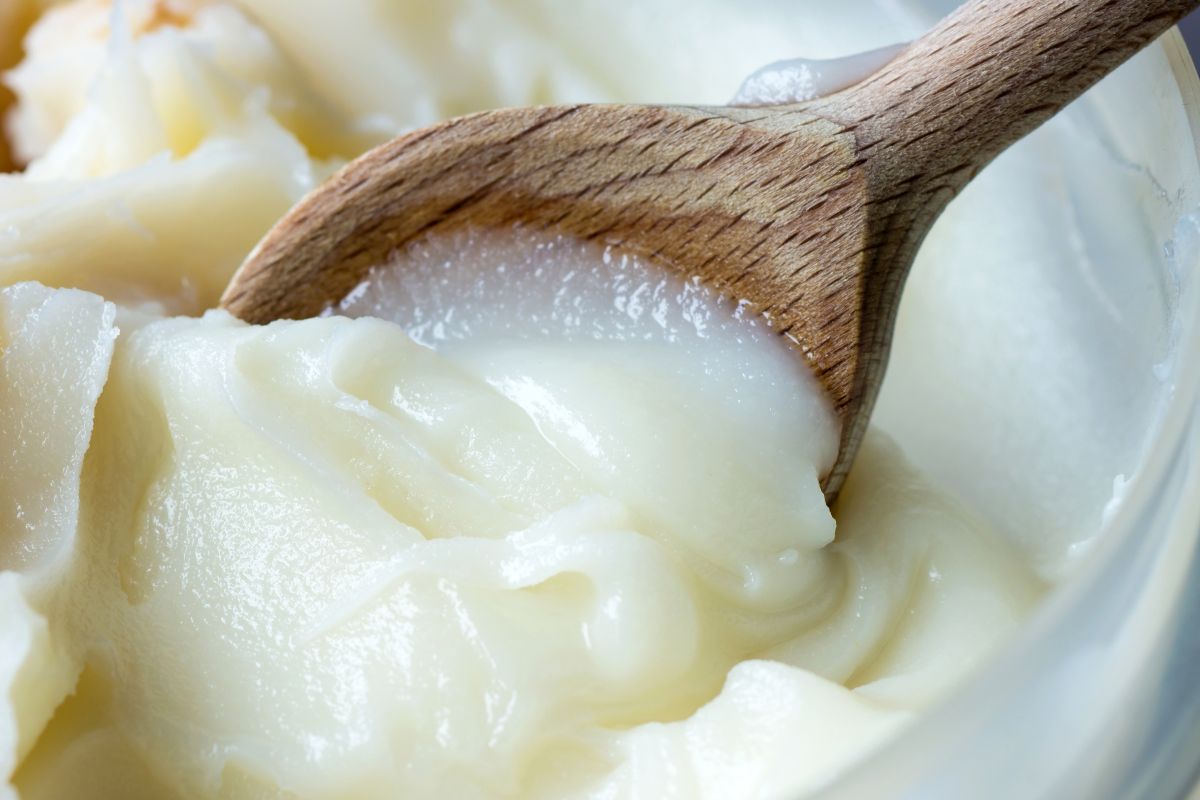
Lard is a type of fat obtained from pigs, typically sourced from the fatty tissues of the animal, including the abdomen and around the organs. Often the pigs are from factory farms and treated very badly. Pork lard has been used in cooking and baking for centuries, primarily for its unique flavor and texture-enhancing properties but also it's high smoke point.
Lard Production Process:
The production of lard involves rendering the pork fat, which essentially means melting it down to separate the liquid fat from the solid components. This process typically involves heating the fat to a high temperatures until it liquefies, and then straining it to remove impurities and solid pieces. The resulting liquid is lard, which solidifies at room temperature leaving the solid fat we know as lard. Lard is full of monounsaturated fats which makes it actually a healthier choice to butter with health benefits such as reducing the risk of heart disease, but ultimately it is not vegan as it comes from animal sources and is essentially an animal-based product.
Veganism and Lard:
Veganism is a philosophy and lifestyle that seeks to exclude the use of animal products and promote the welfare of animals. As such, it is widely accepted within the vegan community that lard is not considered vegan. Here are some key reasons for this stance:
1. Animal Sourcing: Lard is derived from pig fat, making it a product obtained from animal exploitation. Veganism seeks to avoid supporting industries that harm or exploit animals - such as a pig farm, which includes the use of any animal by-product.
2. Animal Welfare Concerns: The production of lard is intrinsically tied to the meat industry, where pigs are often raised in intensive factory farming systems. These systems are known for their adverse impact on animal welfare, including cramped living conditions, limited mobility, and unnecessary suffering.
3. Alternatives Available: In today's market, there are numerous plant-based alternatives to lard that can be used for cooking and baking purposes. These alternatives include vegetable oils (such as coconut oil, soybean oil or olive oil) or plant-based butter substitutes, which offer similar functionality without relying on animal-derived ingredients.
It is important to note that the vegan perspective on lard is not merely a matter of personal preference or dietary restriction, but rather a reflection of a larger ethical stance centered around animal rights and environmental sustainability.
Conclusion
While lard has been a common ingredient in traditional cooking and baking due to the flaky texture it gives to pastry, lard production it does not align with vegan principles due to its animal-derived origin and association with the meat industry. Veganism promotes a plant-based diet and the exclusion of animal products to minimize animal exploitation and promote a more compassionate and sustainable lifestyle.
As the demand for vegan alternatives continues to grow, a wide range of plant-based options are now available to replace lard in various recipes. By opting for these non-animal fat products alternatives, individuals can not only create delicious and cruelty-free meals but also contribute to a more compassionate and environmentally conscious world.
It can be hard to find a vegan alternative to lard in a grocery store, but the good news is that I have found you a list of vegan lard alternatives available that are suited to a vegan and vegetarian diet:
- 1. Nutiva Organic Coconut Oil: Coconut oil is a popular vegan alternative to lard and it can also be used as a cooking oil. It has a similar texture and can be used in place of lard in cooking and baking. Nutiva Organic Coconut Oil is a highly-rated and widely-used option.
- 2. Miyoko's European-Style Cultured Vegan Butter: Miyoko's Vegan Butter is known for its rich and creamy texture, making it an excellent substitute for lard in baking and cooking. It is made from plant-based ingredients and is free from dairy and animal fats. It is spreadable so is a great option for a vegan margarine too.
- 3. Crisco Shortening: This vegetable shortening is made from a blend of organic palm oil and soybean oil, providing the best substitute for lard. It is ideal for making flaky pie crusts and other baked goods and also contains absolutely no trans fats.
- 4. Spectrum Organic All-Vegetable Shortening: Spectrum offers an all-vegetable shortening that is free from animal products and suitable for vegans. It is made from sustainably sourced palm oil and is great for baking and frying.
- 5. Khanum Vegetable Ghee: Ghee is clarified butter, but Khanum's has developed a vegan alternative made palm oils. This ghee alternative is free from animal products and can be used as a substitute for lard in cooking.
- 6. Aman Prana Unrefined Red Palm Oil: Red palm oil is a versatile and flavorful option that can replace lard in various recipes. This is sustainably sourced and fair trade and provides a unique taste to dishes.
- 7. Biona Organic Vegan Coconut Milk: Coconut milk can be used as a vegan alternative to lard in certain recipes, adding richness and flavor. Biona offers an organic vegan coconut milk that is widely available.
Please note that availability and product options may vary, so it's always a good idea to check the latest listings and read customer reviews before making a purchase.
These vegan lard alternatives can help you maintain your commitment to a vegan lifestyle while still enjoying the culinary benefits that fats provide in cooking and baking.
If you found this post about is lard vegan interesting and useful please share it on social media or Pin it for later...





Comments
No Comments