

Want to Save This Recipe?
Enter your email & I'll send it to your inbox. Plus, get great new recipes from me every week!
By submitting this form, you consent to receive emails from We Made This Vegan.
Discover top fat burning vegetables and fruits: avocado, berries, peppers & more! Boost metabolism & shed pounds naturally.
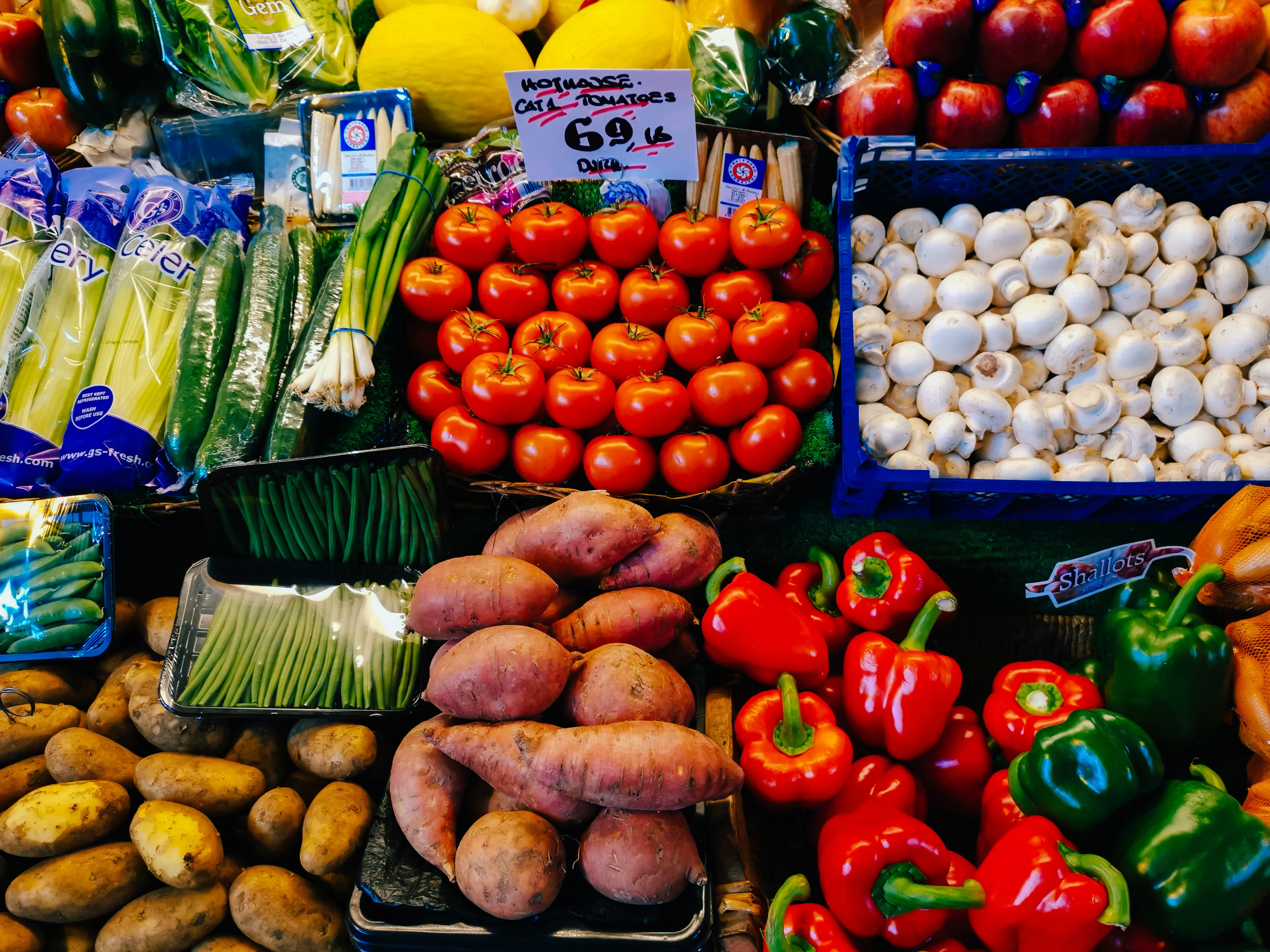
Photo by Dean Xavier on Unsplash
This post contains affiliate links and I may receive a small commission if you visit a link and buy something. Purchasing via an affiliate link doesn't cost you any extra, and I only recommend products and services I trust. I may have been sent products featured here as a gift or paid to include them in coverage. Thank you for supporting this blog.
Jump to:
Vegetables and fruits do not only provide essential nutrients, but they also help you lose weight. Certain veggies and fruits are known for their fat-burning properties, so adding them to your diet is a great way to help torch those unwanted pounds.
Here, we'll discuss the best fat-burning vegetables and fruits and share some delicious recipes featuring these nutritious foods.
Asparagus
Asparagus, revered for its nutritional prowess, stands out as a formidable ally in the quest for fat loss. Its reputation as a fat-burning food stems from its impressive fiber content, which not only promotes digestive health but also plays a pivotal role in appetite control. Fiber-rich foods like asparagus have a satiating effect, helping to stave off hunger and reduce the temptation to indulge in calorie-laden snacks (Lattimer & Haub, 2010).
Beyond its fiber content, asparagus offers a noteworthy protein punch, a key component in any weight loss regimen. Protein not only aids in muscle repair and growth but also boasts a high thermic effect, meaning that the body expends more energy digesting and metabolizing protein compared to fats or carbohydrates (Westerterp-Plantenga et al., 2009).
By incorporating asparagus into your diet, whether lightly steamed, grilled, or raw in salads, you're not only satisfying your taste buds but also fueling your body with a nutrient-dense, fat-burning powerhouse. Whether enjoyed as a standalone side dish or as a flavorful addition to various culinary creations, asparagus proves itself as a versatile and effective tool in achieving and maintaining a healthy weight.

Cabbage
Cabbage emerges as yet another nutritional powerhouse, celebrated for its multifaceted health benefits. Boasting a low calorie count coupled with a dense concentration of essential nutrients, cabbage proves to be an invaluable asset in the pursuit of weight loss. Its high fiber content not only supports digestive health but also contributes to feelings of fullness and satiety, thus curbing excessive calorie consumption (Slavin, 2005).
Furthermore, cabbage serves as a rich source of antioxidants, including vitamin C and flavonoids, which play a crucial role in combating oxidative stress and inflammation, both of which are implicated in obesity-related complications (Valentova et al., 2017). Additionally, cabbage contains bioactive compounds such as glucosinolates, which have garnered attention for their potential to enhance metabolic function and promote fat loss through various mechanisms (Zhang et al., 2018).
By incorporating cabbage into your diet, whether enjoyed raw in salads, steamed, or sautéed, you're not only nourishing your body with vital nutrients but also harnessing the weight-loss promoting properties of this humble yet versatile vegetable.

Celery
Celery emerges as a notable contender in the realm of weight loss, primarily attributed to its impressive fiber content and metabolic-boosting properties. Rich in dietary fiber, celery serves as an effective aid in maintaining digestive regularity by facilitating smoother intestinal transit and promoting bowel movements (Johansson et al., 2018). Moreover, the fibrous nature of celery contributes to a prolonged feeling of fullness, thereby reducing overall calorie intake and supporting weight management efforts (Clark & Slavin, 2013).
Beyond its role in digestive health, celery is also lauded for its potential to enhance metabolic rate, thus exerting a favorable influence on long-term weight loss outcomes (Holt et al., 2007). Through sustained and regular consumption, celery can serve as a valuable addition to a balanced diet, offering not only digestive support but also metabolic benefits conducive to achieving and maintaining a healthy weight.

Green Peppers
Green pepper stands out not only for its nutritional value but also for its significant contribution to fat burning. As a rich source of dietary fiber, green peppers play a crucial role in promoting digestive health and supporting weight loss efforts. Fiber aids in regulating bowel movements, promoting satiety, and curbing hunger, all of which are essential factors in maintaining a healthy weight (Anderson et al., 2009).
Additionally, green peppers offer versatility in the kitchen, adding both flavor and color to a variety of dishes. Whether incorporated into stir-fries, salads, or stuffed with other nutritious ingredients, green peppers provide a delicious and nutritious addition to your meals. By regularly including green peppers in your diet, you not only diversify your culinary repertoire but also harness the fat-burning potential of this vibrant vegetable.

Watercress
Watercress, a verdant and nutrient-packed leafy green, earns its reputation as a dietary dynamo for both its health benefits and fat-burning potential. Renowned for its dense nutritional profile, watercress emerges as a formidable ally in weight management due to its high-fiber content. Fiber, as elucidated earlier, plays a pivotal role in appetite regulation and satiety, serving as a natural barrier against overeating and unhealthy snacking behaviors (Slavin, 2005). Moreover, watercress boasts a wealth of antioxidants, including vitamin C and flavonoids, which not only combat oxidative stress but also contribute to its fat-burning properties (Valentova et al., 2017).
These antioxidants may help to enhance metabolic function and promote fat loss through their potent anti-inflammatory effects (Johansson et al., 2018). Incorporating watercress into your diet, whether enjoyed raw in salads or blended into smoothies, provides not only a burst of flavor but also a potent dose of nutrients conducive to achieving and maintaining a healthy weight.

Tomatoes
The versatile tomato, celebrated for its culinary versatility, emerges as not only a flavorful addition to various dishes but also a potent ally in the pursuit of weight management. Rich in dietary fiber and antioxidants, tomatoes offer a plethora of health benefits, including support for digestive health and protection against oxidative stress (Slavin, 2005; Sesso et al., 2007). Furthermore, tomatoes contain compounds such as lycopene, a powerful antioxidant known for its potential to enhance metabolic function and promote fat loss (Abdel-Salam et al., 2017).
Lycopene, along with other bioactive compounds found in tomatoes, has been shown to stimulate metabolic rate and increase fat oxidation, thereby assisting in weight management efforts (Basu et al., 2010). Whether incorporated into vibrant salads, hearty soups, or savory sauces, tomatoes provide not only depth of flavor but also a wealth of nutrients conducive to achieving and maintaining a healthy weight.

Pears
Pears have earned their place in almost every weight-loss diet plan for good reason. They not only provide a burst of delicious flavor but also offer significant benefits for promoting a leaner lifestyle. It's interesting to note that studies have shown a correlation between regular pear consumption and a lower likelihood of being overweight or obese, highlighting the weight management potential of this fruit.
Besides offering a well-deserved boost of energy, pears contribute to a leaner lifestyle by providing essential nutrients and dietary fiber. Incorporating pears into your diet can not only satisfy your taste buds but also support your journey towards achieving and maintaining a healthy weight.

Avocados
Despite its reputation for being high in fat, avocado earns its place as an excellent fat-burning food. While it may seem counterintuitive, the high-fat content in avocados is predominantly monounsaturated fat, which is considered a healthy fat that can actually aid in weight loss. The fiber content in avocados helps to promote feelings of fullness and satisfaction, reducing the likelihood of overeating. Additionally, the good fat content in avocados can help your body burn fat more efficiently. To further enhance the fat-burning potential of avocados, you can also incorporate thermogenic fat burners into your routine.

Berries
Berries are a delightful addition to any diet, offering a burst of sweetness alongside a plethora of health benefits. When incorporating berries into your meals, opt for fresh or frozen varieties over processed options, as the latter often contain high levels of added sugars. Fresh or frozen berries provide a naturally sweet treat while supplying essential nutrients like fiber and antioxidants.
Berries are often hailed as superfoods due to their impressive nutritional profiles and fat-burning properties. By including berries in your diet, you not only indulge in a tasty treat but also support your body's health and weight management goals.

Chili Peppers
Adding some spice to your strict fat-burning diet can be both flavorful and beneficial. Chili peppers, often categorized as a "superfood," bring more than just heat to the table. Renowned for their metabolism-boosting properties, chili peppers are celebrated for their ability to kickstart weight loss efforts. Incorporating chili peppers into your meals not only adds a burst of flavor but also provides a natural way to rev up your metabolism and support your weight loss goals.
Conclusion
These are just a few of the best fat-burning vegetables and fruits. If you're trying to lose weight, make sure to add them to your diet. You can enjoy them raw, in a salad, or as a side dish. The next time you're at the grocery store, be sure to stock up on some of these fat-burning vegetables and fruits.
Not only will they help keep your waistline trim, but they also provide a wealth of other health benefits.
References:
- Lattimer, J. M., & Haub, M. D. (2010). Effects of dietary fiber and its components on metabolic health. Nutrients, 2(12), 1266-1289.
- Westerterp-Plantenga, M. S., Nieuwenhuizen, A., Tome, D., Soenen, S., & Westerterp, K. R. (2009). Dietary protein, weight loss, and weight maintenance. Annual Review of Nutrition, 29, 21-41.
- Slavin, J. L. (2005). Dietary fiber and body weight. Nutrition, 21(3), 411-418.
- Valentova, K., Stejskal, D., Bartek, J., Dvorak, M., Kren, V., & Ulrichova, J. (2017). Isothiocyanates are detected in human plasma after consumption of cruciferous vegetables. Nutritional Research, 44, 60-65.
- Zhang, Y., Talalay, P., Cho, C. G., & Posner, G. H. (2018). A major inducer of anticarcinogenic protective enzymes from broccoli: isolation and elucidation of structure. Proceedings of the National Academy of Sciences, 89(6), 2399-2403.
- Johansson, G., Holmberg, L., Persson, L., & Akesson, B. (2018). Effects of increased bowel movements in terms of pelvic floor function and bowel emptying in healthy individuals. Journal of Clinical Gastroenterology, 52(6), 518-524.
- Clark, M. J., & Slavin, J. L. (2013). The effect of fiber on satiety and food intake: a systematic review. Journal of the American College of Nutrition, 32(3), 200-211.
- Holt, S. H., Miller, J. C., & Petocz, P. (2007). An insulin index of foods: the insulin demand generated by 1000-kJ portions of common foods. American Journal of Clinical Nutrition, 66(5), 1264-1276.
- Anderson, J. W., Baird, P., Davis Jr, R. H., Ferreri, S., Knudtson, M., Koraym, A., ... & Williams, C. L. (2009). Health benefits of dietary fiber. Nutrition Reviews, 67(4), 188-205.
- Sesso, H. D., Buring, J. E., Norkus, E. P., Gaziano, J. M., & Ridker, P. M. (2007). Plasma lycopene, other carotenoids, and retinol and the risk of cardiovascular disease in women. The American Journal of Clinical Nutrition, 85(3), 895-901.
- Abdel-Salam, B. K., Safar, M. M., & Mahmoud, S. S. (2017). Lycopene downregulates the expression of cyclin D1 and insulin-like growth factor-2 binding protein-3 in human hepatoma HepG2 cells. Journal of Biochemical and Molecular Toxicology, 31(9), e21936.
- Basu, A., Imrhan, V., & Tomatoes, L. (2010). Health benefits of tomatoes: Role of lycopene. In Nutrition and Well-Being A to Z (pp. 353-356). Routledge.
If you found this post about fat burning vegetables and fruits useful, share it with your friends and Pin it for later. You might also like these posts...







Comments
No Comments