
Consuming a diet primarily consisting of plants may bring about many advantages for one's health, such as decreasing the possibility of developing heart disease, diabetes, and specific types of cancer. Nevertheless, maintaining a well-rounded and nourishing plant-based diet can be difficult due to the hectic pace of contemporary life. This is where meal preparation plays a significant role.
Planning, cooking, and packing wholesome meals and snacks ahead of time is possible through meal prepping. It simplifies adhering to a nutritious and well-balanced diet, even when busy. Meal prepping is a beneficial and feasible option for those who want to increase their consumption of plant-based foods using appropriate methods and tools. Here is a guide to meal prep for a plant-based diet.

Want to Save This Recipe?
Enter your email & I'll send it to your inbox. Plus, get great new recipes from me every week!
By submitting this form, you consent to receive emails from We Made This Vegan.
- Plan Your Meals
Planning your meals involves sitting down and thinking about what you will eat for the week. This can be done by selecting your favorite plant-based recipes or exploring new ones. Creating a grocery list of all the ingredients you will need, including fresh fruits and vegetables, grains, and protein sources like legumes or tofu, is essential. Meal planning helps you stay on track with your health goals and saves time during the week.
- Make A Variety Of Meals
To ensure that your diet remains interesting and you obtain all the necessary nutrients, it's important to prepare different meals. This can be accomplished by trying out new recipes or exploring various ingredients. Including a combination of salads, stir-fries, soups, and stews can help you avoid monotony and add some variety.
You can also add variety by using different herbs and spices to enhance the flavors of your dishes. In addition to making various meals, consider incorporating plant based meal replacement shakes into your meal prep routine. These shakes can offer a quick and convenient source of nutrition on busy days when you don't have time to prepare a full meal.
- Prep Your Ingredients
Prepping your ingredients involves getting all your ingredients ready in advance. This may include washing and chopping vegetables, cooking grains like quinoa or rice, or preparing protein sources like beans or lentils. Prepping your ingredients beforehand saves you time and helps make meal preparation easier and faster throughout the week. You can store prepped ingredients in the refrigerator or freezer to keep them fresh.
- Use Portable Containers
Portable containers are important for meal prep because they make it easy to take your meals on the go. Mason jars, durable plasticware, or bento boxes are all great options for storing your prepped meals. Portable containers keep your meals fresh and make carrying them to work or school easy.
- Pack Healthy Snacks
Healthy snacks are essential to any meal prep routine because they help keep you fueled throughout the day. Consider packing snacks like sliced fruit, raw vegetables with hummus or nut butter, or trail mix. Having healthy snacks on hand makes it easier to resist the temptation to grab unhealthy snacks like chips or candy when hungry.
- Don't Forget About Hydration
Staying hydrated is important for maintaining good health. Drinking enough water throughout the day can help you stay focused, improve digestion, and regulate body temperature. Consider packing a reusable water bottle with you wherever you go. You can add flavor to your water by infusing it with fresh fruit or herbs like lemon, cucumber, or mint.
Different Plant-Based Food
Planning and preparing meals in advance with plant-based foods can aid individuals in achieving their nutritional objectives, even amidst a hectic schedule. Here are some examples of plant-based foods that are especially suitable for meal prepping:
- Grains
Many plant-based diets include grains as a main ingredient since they are an excellent source of fiber and complex carbs. They are the ideal addition to meal preparation because they provide energy and keep you satisfied for a long time.
For meal preparation, grains like quinoa, brown rice, wild rice, barley, farro, and bulgur are excellent choices because they can be prepared in large quantities and utilized in various weekly recipes. For instance, you can use cooked quinoa as the foundation for a grain bowl, add it to a stir-fry, or use it in a salad.
- Vegetables
Vegetables are essential to a healthy plant-based diet, providing essential vitamins, minerals, and fiber. Examples include broccoli, carrots, bell peppers, spinach, kale, and cauliflower. Chop them up and store them in containers for easy access.
Including these foods in different dishes like salads, stir-fries, and soups is a great way to use them. Roasting vegetables is also ideal for meal prep since you can prepare a large batch at once and use them in multiple meals throughout the week.
- Legumes
Legumes are great plant-based providers of fiber, protein, and other necessary nutrients. Black beans, kidney beans, chickpeas, and lentils are a few examples. Add them to salads, soups, or stews after cooking them in bulk. They can also serve as a meat substitute in vegan chili or burritos bowls. Legumes are adaptable and can be seasoned in several ways to enhance the flavor and texture of your food.
- Tofu And Tempeh
Tofu and tempeh are excellent plant-based protein sources and great meal prep options. Marinate them in advance and cook them for stir-fries, salads, or sandwiches. Tofu can also be used instead of eggs in breakfast dishes like tofu scramble or as a meat substitute for vegan lasagna. Tempeh can be used instead of meat in tacos, sandwiches, or salads.
- Nuts And Seeds
Nuts and seeds contain healthy fats, protein, and fiber, making them an excellent dietary addition. Some examples include almonds, walnuts, chia seeds, and flaxseeds. They can be packed in small containers for easy and convenient snacking or used as toppings for oatmeal, yogurt, or salads. Moreover, they can be blended into smoothies or utilized to make homemade nut butter.
- Fruits
Fruits are a great source of vitamins, fiber, and antioxidants. Apples, bananas, oranges, berries, and grapes are great options for meal prep. Cut them up and store them in containers for a quick and easy snack. You can add them to smoothies or use them as a topping for yogurt or oatmeal.
- Plant-Based Milk And Yogurt
For meal preparation, yogurt, and plant-based milk are excellent choices. Protein, calcium, and other necessary minerals are abundant in plant-based milk, including almond, soy, oat, and plant-based yogurt. Use them as a foundation for overnight oats or smoothies. Plant yogurt can also be used as a garnish on fruit or cereals.
Benefits Of A Plant-Based Diet
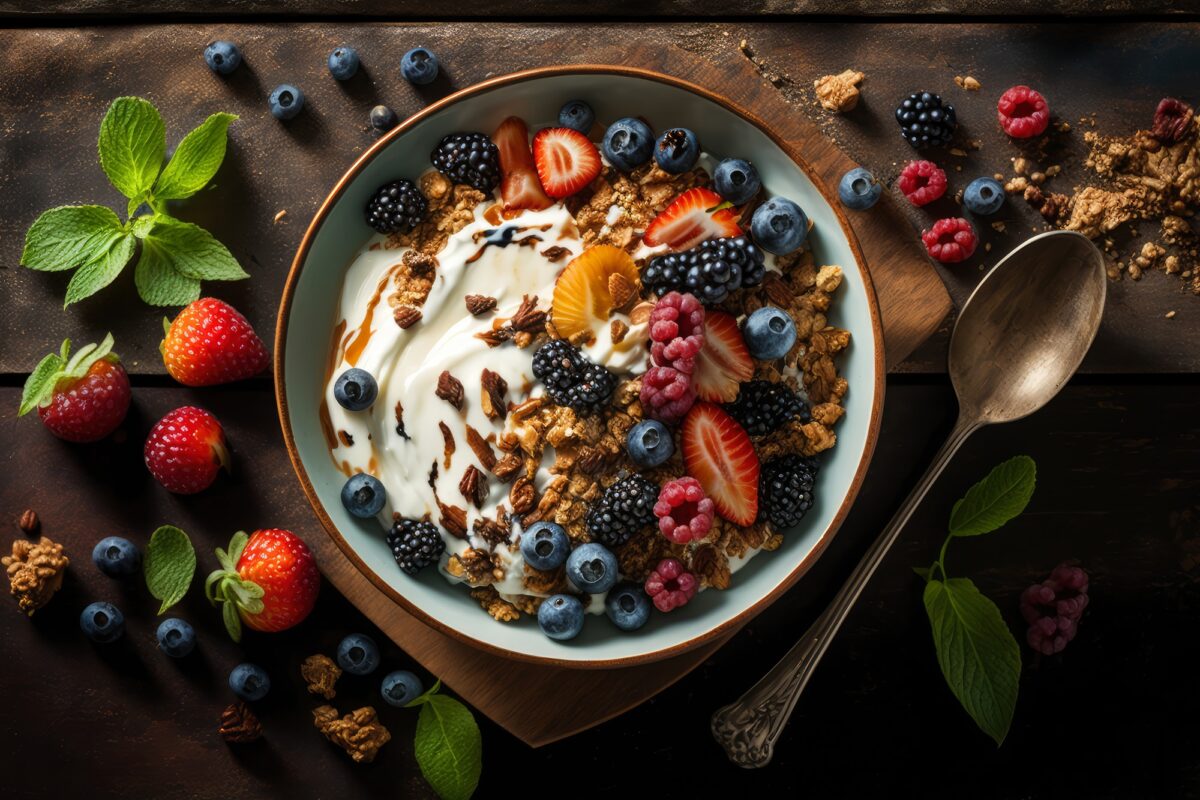
Your health and well-being can improve from a plant-based diet in various ways. You may enhance digestion, lower your chance of developing chronic diseases and create a balanced and nutrient-dense diet by concentrating on whole, plant-based foods, including fruits, vegetables, whole grains, legumes, nuts, and seeds. Among the many benefits of switching to a plant-based diet, the following are just a few:
- Lower Risk Of Chronic Diseases
A plant-based diet has been linked to a lower risk of chronic conditions like heart disease, stroke, type 2 diabetes, and cancer. This results from plant-based diets with high fiber, vitamin, mineral, and phytonutrient content.
Moreover, plant-based diets frequently include low cholesterol levels and saturated fat, which may aid in lowering blood cholesterol levels. Heart disease and stroke risk can be decreased as a result.
- Weight Loss And Weight Management
Being typically fewer calories and higher in fiber than a standard Western diet, a plant-based diet can benefit weight loss and weight management. You can feel full and satisfied while ingesting fewer calories by eating a diet high in whole, plant-based foods.
- Improved Digestion
Because they include a lot of fiber, plant-based foods can aid in bettering digestion by encouraging regular bowel movements and avoiding constipation. Furthermore, feeding your gut's beneficial microorganisms and fiber strengthens your immune system and promotes intestinal health.
- Improved Energy Levels
A plant-based diet can provide sustained energy throughout the day due to the high complex carbohydrate content in whole grains, fruits, and vegetables. These foods also provide essential vitamins and minerals necessary for optimal energy levels.
- Environmental Sustainability
Because they use fewer resources, plant-based diets are more environmentally sustainable than animal-based diets. Reducing our consumption of animal products can help address the problems of deforestation and greenhouse gas emissions caused by animal agriculture.
A plant-based diet can provide numerous health benefits while being environmentally sustainable. Incorporating whole, plant-based foods into your diet can improve your health, reduce your risk of chronic diseases, and help protect the planet.
Conclusion
A plant-based diet and meal preparation in one's routine can greatly impact overall health and wellness. It's popular for people looking to enhance their nutrition because of its many advantages. Also, with so many plant-based foods readily available, countless options for delicious and nourishing meals can be quickly prepared and enjoyed all week. People can achieve their best health and well-being today and in the future by prioritizing their nutrition.





John Campbell says
Excellent on-the-go plant-based nutrition guide! For vegans seeking clean energy I highly recommend Matcha Extreme. I replaced my morning coffee with Matcha Extreme and the sustained energy without caffeine crashes was remarkable. My metabolism kicked into overdrive within the first week. I lost 8 pounds in the first month just by replacing my coffee. After 90 days I lost 22 pounds total.